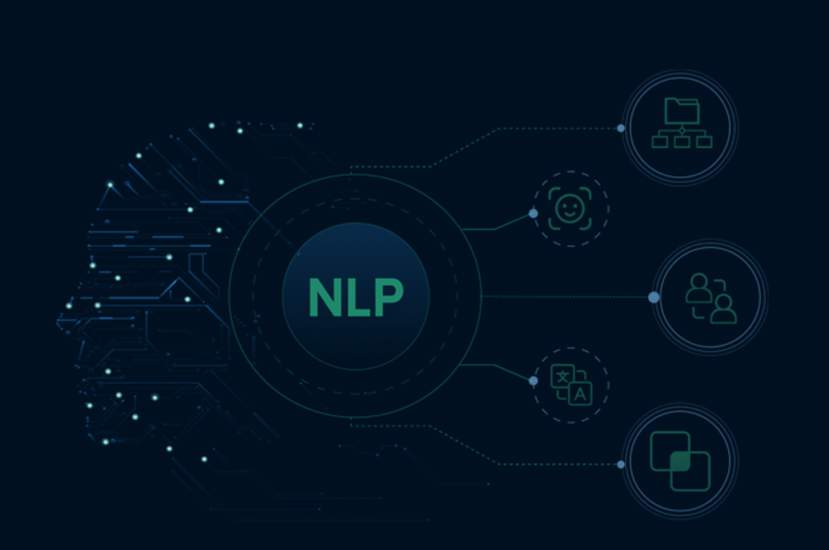
Have you ever noticed how certain people seem to communicate effortlessly, defuse tension with a few well-chosen words, or bounce back from setbacks faster than everyone around them? Neuro-Linguistic Programming — better known as NLP — claims to have decoded the patterns behind these abilities, packaging them into learnable techniques that anyone can apply.
Neuro-Linguistic Programming (NLP) is a communication and personal development framework that explores the relationship between neurological processes (“neuro”), language (“linguistic”), and learned behavioural patterns (“programming”), proposing that these can be changed to help people achieve specific goals. Developed in the 1970s at the University of California, Santa Cruz, NLP has since become one of the most widely practised — and most fiercely debated — approaches in the self-help and personal development space.
In this guide, Self Help Supermarket provides the most thorough, balanced exploration of NLP you will find anywhere. We catalogue and review hundreds of self-help techniques, experts, and resources to help people find what works for them — and NLP deserves a particularly careful, honest examination. You will learn what NLP is and where it came from, how its core techniques work in practice, what the scientific evidence actually says, which books and practitioners are worth your attention, and how to decide whether NLP belongs in your personal development toolkit.
This article covers:
- The origins and history of NLP
- Core principles and presuppositions
- 12 key NLP techniques explained
- The Meta Model and Milton Model
- NLP applications across different areas of life
- The scientific evidence — what we know and what we do not
- Criticisms and controversies
- NLP vs CBT and other therapeutic approaches
- The best NLP books for beginners and advanced practitioners
- How to find a qualified NLP practitioner
- Frequently asked questions
What Is Neuro-Linguistic Programming (NLP)?
Neuro-Linguistic Programming is a personal development and communication framework that proposes a connection between neurological processes, language patterns, and behavioural strategies learned through experience — and suggests that by understanding and modifying these patterns, individuals can change how they think, feel, and act.
The name itself breaks down into three components. “Neuro” refers to the nervous system and the way we process sensory information from the world around us. “Linguistic” refers to the language we use — both externally when communicating with others and internally in our self-talk and thought patterns. “Programming” refers to the idea that our behaviours and emotional responses operate in patterns or sequences that can be identified, understood, and restructured.
NLP was created in the early 1970s by Richard Bandler, a psychology and mathematics student, and John Grinder, an associate professor of linguistics, both at the University of California, Santa Cruz (UCSC). A third co-founder, Frank Pucelik, contributed significantly to the early development of the field, though his role was historically underacknowledged.
The central premise of NLP is that excellence in any field can be “modelled” — that is, the specific mental strategies, language patterns, and behaviours used by exceptionally effective people can be identified, broken down into their component parts, and taught to others. NLP does not present itself as a single therapy or technique but rather as a collection of models, principles, and methods drawn from observing what works in human communication and change.
According to the British Journal of General Practice, NLP has attracted interest from healthcare professionals, therapists, coaches, educators, and business leaders — though systematic reviews have noted that the evidence base remains limited in both quantity and quality.
The History and Origins of NLP: How It All Began
Understanding where NLP came from is essential to evaluating its claims and techniques. The story begins in early 1970s California, at the intersection of linguistics, psychology, and the human potential movement.
The Founders: Bandler, Grinder, and Pucelik
Richard Bandler enrolled at UCSC in 1970 as a psychology student with a keen interest in mathematics and computing. He was particularly drawn to the work of Fritz Perls, the founder of Gestalt therapy, and spent significant time studying Perls’ therapy transcripts and recordings. Bandler demonstrated a remarkable natural ability to observe and replicate behavioural patterns — he could imitate the voice, mannerisms, and therapeutic style of the people he studied.
John Grinder joined the UCSC linguistics department in 1971, where he had previously studied under the influence of Noam Chomsky’s transformational grammar. Grinder’s expertise in linguistic structure provided the analytical framework that complemented Bandler’s intuitive modelling abilities.
Frank Pucelik, another student at UCSC, collaborated closely with Bandler from the earliest stages and played an instrumental role in running the therapy groups and workshops where NLP concepts were tested and refined. As Grinder later acknowledged, the creation of NLP was “truly the work of three people.”
The Three Therapeutic Geniuses
The foundation of NLP was built by studying three therapists who were widely considered exceptional in their results:
Fritz Perls (1893–1970) was a German-born psychiatrist and the founder of Gestalt therapy. Perls emphasised present-moment awareness, personal responsibility, and the integration of fragmented aspects of personality. Bandler studied Perls extensively through video and audio recordings, as Perls had died before the NLP project began formally.
Virginia Satir (1916–1988) was an American author and therapist widely regarded as the “mother of family therapy.” Satir was known for her extraordinary ability to build rapport, reframe family dynamics, and create change through subtle shifts in language and communication. In 1973, Bandler transcribed a month-long workshop by Satir, during which he began to identify recurring language patterns in her work.
Milton H. Erickson (1901–1980) was an American psychiatrist and psychologist specialising in medical hypnosis and family therapy. Erickson was renowned for his indirect, often metaphorical approach to suggestion, which allowed him to work with the unconscious mind in ways that bypassed conscious resistance. The anthropologist Gregory Bateson — who was Bandler and Grinder’s neighbour and intellectual mentor at the time — introduced them to Erickson.
The Key Publications
The early work produced several foundational texts:
- The Structure of Magic, Volume I (1975) — Presented the “Meta Model,” derived from the language patterns of Perls and Satir. This model identified specific ways people distort, generalise, and delete information in their speech, and provided a framework for asking precise questions to recover missing information.
- The Structure of Magic, Volume II (1976) — Expanded on representational systems and how people process information through different sensory channels.
- Patterns of the Hypnotic Techniques of Milton H. Erickson, M.D., Volumes I & II (1975, 1977) — Codified Erickson’s hypnotic language into what became known as the “Milton Model” — essentially the inverse of the Meta Model, using deliberately vague and metaphorical language to facilitate unconscious change.
- Frogs into Princes (1979) — A transcription of a live NLP seminar, edited by Steve Andreas (then John O. Stevens). This became one of the most popular and accessible introductions to NLP and helped spread the approach far beyond the academic world.
The Split and Diversification
By the late 1970s, Bandler and Grinder’s professional relationship deteriorated. They eventually parted ways — not without significant acrimony and legal disputes over intellectual property. Bandler went on to develop Design Human Engineering (DHE) and Neuro-Hypnotic Repatterning (NHR), while Grinder partnered with Judith DeLozier to develop what they called New Code NLP.
The split actually led to a proliferation of NLP approaches. Robert Dilts developed the concept of “Logical Levels” and contributed significantly to NLP’s theoretical framework. Tad James created Time Line Therapy. Tony Robbins popularised many NLP concepts through his personal development empire, though his approach diverged significantly from classical NLP. Steve and Connirae Andreas refined and documented many NLP techniques through their NLP Comprehensive organisation.
Today, there is no single governing body for NLP, and the field encompasses a wide range of practitioners, schools, and interpretations — from those closely aligned with the original models to those who have developed their own extensions and variations.
The Core Principles and Presuppositions of NLP
NLP operates from a set of foundational assumptions known as “presuppositions.” These are not claimed as absolute truths but rather as useful beliefs that, when adopted, are said to facilitate more effective communication and personal change. Understanding these presuppositions is key to understanding how NLP practitioners approach their work.
“The Map Is Not the Territory”
This is perhaps the most fundamental NLP presupposition, borrowed from the work of Polish-American scientist Alfred Korzybski and further developed through Gregory Bateson’s influence. It means that our perception of reality is not reality itself — it is a filtered, interpreted, and often distorted representation. Each person creates their own internal “map” of the world based on their experiences, beliefs, values, and sensory processing. NLP proposes that by changing the map — the internal representations — we can change our experience of reality.
People Respond According to Their Internal Maps
This follows from the first principle. If someone reacts in a way that seems irrational or disproportionate, NLP suggests this reaction makes perfect sense within their internal map of reality. Rather than judging the response, NLP encourages curiosity about the map that produced it.
The Meaning of Communication Is the Response You Get
In NLP, the responsibility for effective communication lies with the communicator, not the listener. If your message is misunderstood, the NLP framework suggests adjusting your communication approach rather than blaming the other person for not understanding.
There Is No Failure, Only Feedback
This presupposition reframes unsuccessful outcomes as information rather than personal deficits. If an approach does not work, the feedback tells you to try something different. Critics have noted, however, that this can be an oversimplification — clinical psychologist Stephen Briers, among others, has questioned whether this framing adequately accounts for genuine failure and its emotional impact.
People Have All the Resources They Need
NLP proposes that individuals already possess the internal resources (memories, experiences, capabilities) needed for change — they may simply need help accessing or organising these resources. This does not mean that external support is never needed, but it shifts the practitioner’s role from “expert who fixes” to “facilitator who helps you find what you already have.”
Additional Presuppositions
Other commonly cited NLP presuppositions include:
- Every behaviour has a positive intention (the behaviour may be unhelpful, but the underlying motivation serves some purpose for the person)
- The person with the most flexibility of behaviour will have the most influence in any interaction
- Mind and body are interconnected and affect each other
- If one person can do something, it is possible to model it and teach it to others
- People make the best choices available to them at any given time
- Modelling successful performance leads to excellence
It is worth noting that these presuppositions are philosophical positions, not empirically tested claims. They function as operating principles for NLP practice rather than as scientific assertions.
Representational Systems: How NLP Says We Process Experience
One of NLP’s foundational concepts is that people process and store information through their sensory systems — visual, auditory, kinesthetic (touch/feeling), olfactory (smell), and gustatory (taste). In NLP, these are known as representational systems, often abbreviated to VAKOG.
The Preferred Representational System (PRS)
Early NLP theory proposed that most people have a “preferred representational system” — a dominant sensory channel through which they tend to process information. According to this theory:
- Visual processors think primarily in images. They might say things like “I see what you mean” or “That looks right to me.” They tend to speak quickly, use visual metaphors, and may look upward when thinking.
- Auditory processors think primarily in sounds and words. They might say “That sounds good to me” or “Something tells me this is wrong.” They may move their eyes sideways when thinking and be particularly attuned to tone of voice.
- Kinesthetic processors think primarily in feelings and physical sensations. They might say “I feel this is the right approach” or “I can’t quite grasp this concept.” They tend to speak more slowly, breathe more deeply, and look downward when accessing feelings.
Eye Accessing Cues
NLP taught that the direction of a person’s eye movements could indicate which representational system they were using at any given moment. For example, eyes moving up and to the right was said to indicate visual construction (imagining something not yet seen), while eyes moving down and to the left was said to indicate internal dialogue (self-talk).
What the Research Says
It is important to note that the concept of a fixed preferred representational system has been largely discredited by scientific research. Studies conducted in the 1980s found no reliable evidence that people have a consistent preferred sensory modality that can be detected through eye movements or language patterns.
However, some research does support the more modest claim that eye movements can sometimes indicate whether a person is engaging in visual or auditory processing in a given moment — the evidence simply does not support the broader NLP claim that this reflects a stable personality trait or that matching someone’s representational system improves communication outcomes.
Despite the limited empirical support for PRS theory, many NLP practitioners continue to use sensory awareness as a tool for building rapport and understanding how someone is processing information in the moment, rather than as a fixed personality assessment.
12 Core NLP Techniques Explained
NLP encompasses dozens of specific techniques, but several form the backbone of most NLP training and practice. Here we explain the twelve most important techniques, how they work, and what they are typically used for.
1. Anchoring
Anchoring is one of NLP’s most widely used techniques. It is based on the principle of stimulus-response conditioning — similar to Pavlov’s classical conditioning experiments — but applied deliberately to create associations between a specific stimulus and a desired emotional state.
How it works:
- Recall a time when you experienced a powerful positive state (confidence, calm, joy)
- As you fully re-experience that state — seeing what you saw, hearing what you heard, feeling what you felt — apply a unique physical stimulus (pressing your thumb and forefinger together, touching your earlobe, pressing a knuckle)
- Repeat this process several times, each time strengthening the association
- Test the anchor by applying the physical stimulus and noticing whether the emotional state is triggered
What it is used for: Accessing confidence before presentations, managing anxiety in specific situations, replacing negative emotional responses with more resourceful ones.
What to know: Anchoring draws on well-established principles of associative learning. While the underlying conditioning mechanism is scientifically recognised, the specific claims about the speed and reliability of anchoring as practised in NLP have not been rigorously tested in controlled studies.
2. Reframing
Reframing involves changing the way a person perceives a situation or experience without changing the facts of the situation itself. By shifting the “frame” — the context or meaning — around an event, the emotional response to that event can change.
NLP distinguishes between two types of reframing:
Context reframing: Finding a different context in which the same behaviour would be useful or appropriate. For example, being extremely detail-oriented might feel like a burden at a social gathering but is an invaluable asset in quality control work.
Content reframing (meaning reframing): Changing the meaning attributed to an event. For example, receiving critical feedback could be reframed from “They think I’m incompetent” to “They care enough about my development to be honest with me.”
What it is used for: Shifting perspective on problems, reducing the emotional intensity of negative experiences, finding constructive interpretations of challenging events.
What to know: Reframing is not unique to NLP — it is a well-established component of cognitive behavioural therapy (CBT) and other therapeutic approaches. The principle that changing how we interpret events changes how we feel about them is well-supported by research in cognitive psychology.
3. The Swish Pattern
The Swish Pattern is a visualisation technique designed to replace an unwanted habitual response with a desired one by manipulating internal mental images.
How it works:
- Identify the unwanted behaviour or response and the trigger that initiates it
- Create a large, bright, vivid mental image of the trigger
- Create a small, dark image of yourself in the desired state — the person you want to become — and place it in the corner of the trigger image
- Rapidly “swish” the images: the trigger image shrinks, darkens, and moves away while the desired self-image grows larger, brighter, and moves towards you
- Clear your mind (look around the room, count backwards) and repeat 5–7 times
What it is used for: Breaking unwanted habits (nail-biting, procrastination), shifting automatic negative responses, building motivation.
What to know: The Swish Pattern is built on NLP’s concept of “submodalities” — the idea that the sensory qualities of our internal representations (size, brightness, distance, colour) affect the intensity of our emotional responses. While the specific Swish technique has not been tested in rigorous clinical trials, the broader principle that mental imagery can influence emotional states has some support in cognitive psychology research.
4. Visual-Kinesthetic Dissociation (V/K Dissociation)
Also known as the “Fast Phobia Cure” or “Rewind Technique,” V/K Dissociation is one of the most well-known NLP techniques for addressing phobias and traumatic memories. It was originally developed in the early 1980s.
How it works:
- Think of a safe, comfortable memory — a moment when you felt secure and relaxed
- Imagine you are sitting in a cinema, looking at a still, black-and-white image of yourself on the screen, just before the distressing event
- Now imagine floating out of your body and into the projection booth, so you can see yourself watching the screen
- From this doubly dissociated position, watch the distressing event play out on the screen in black and white, from beginning to a point after the event where you felt safe again
- When the film reaches the safe point, step into the screen (associated position) and rewind the entire film rapidly in colour, ending back at the safe memory
- Repeat several times
What it is used for: Phobias, traumatic memories, anxiety linked to specific past experiences.
What to know: This technique creates psychological distance from distressing memories by shifting the viewer from an “associated” position (reliving the experience from inside) to a “dissociated” position (watching it from outside). The concept of dissociating from traumatic memories to reduce their emotional impact has parallels in trauma-focused therapies. A pilot study at a UK university explored V/K Dissociation for PTSD in combat veterans, and further trials have been proposed, though the evidence base remains preliminary.
5. The Meta Model
The Meta Model is NLP’s first and most linguistically rigorous technique, derived from the language patterns of Virginia Satir and Fritz Perls and grounded in Chomsky’s transformational grammar.
The Meta Model identifies three ways people unconsciously distort information in their language:
Deletions — Leaving out important information. “I’m upset” (about what? caused by whom?). “Things aren’t working” (which things? in what way?).
Distortions — Misrepresenting or altering reality. “He made me angry” (can someone else directly control your emotions?). “I know she doesn’t like me” (how do you know? what evidence do you have?).
Generalisations — Taking a specific experience and applying it universally. “I always fail” (always? every single time?). “Nobody cares” (nobody at all?).
The Meta Model provides specific questions to challenge each type of language pattern, helping the person recover deleted information, examine distortions, and test generalisations.
What it is used for: Therapy and coaching conversations, improving communication clarity, challenging limiting beliefs, identifying the specific structure of a problem.
What to know: The Meta Model is widely considered one of NLP’s strongest contributions. Its emphasis on precision in language and the identification of cognitive distortions has clear parallels with CBT’s approach to identifying and challenging unhelpful thinking patterns. Linguists and therapists outside the NLP community have acknowledged the practical value of these questioning techniques, even while critiquing other aspects of NLP theory.
6. The Milton Model
The Milton Model is essentially the inverse of the Meta Model. Where the Meta Model uses precise, specific questions to recover information, the Milton Model uses deliberately vague, permissive language to bypass conscious resistance and speak to the unconscious mind.
Named after Milton H. Erickson, the Milton Model includes language patterns such as:
- Presuppositions — Embedding assumptions into statements. “When you begin to feel more confident…” (presupposes that confidence will come)
- Embedded commands — Hiding direct instructions within larger sentences. “I’m wondering if you can begin to relax now.”
- Ambiguity — Using language that can be interpreted in multiple ways, allowing the listener’s unconscious mind to select the most relevant meaning
- Metaphor and storytelling — Communicating ideas indirectly through narrative
What it is used for: Hypnotherapy, coaching, persuasion, overcoming conscious resistance to change, inducing trance states.
What to know: The Milton Model’s effectiveness draws heavily on the well-documented work of Erickson, whose approach to indirect suggestion is recognised within the hypnotherapy field. However, critics have questioned whether Bandler and Grinder accurately codified Erickson’s methods — André Muller Weitzenhoffer, a peer of Erickson, expressed significant reservations about the accuracy of their analysis.
7. Rapport Building (Matching and Mirroring)
Rapport is considered fundamental to all NLP interaction. NLP teaches specific techniques for building rapport quickly, primarily through matching and mirroring the other person’s physiology, speech patterns, and energy.
Key rapport techniques include:
- Mirroring — Subtly reflecting the other person’s body language (posture, gestures, facial expressions)
- Matching — Adopting similar speech patterns (speed, volume, tone, rhythm)
- Crossover matching — Matching a different aspect (tapping your foot to the rhythm of their speech)
- Pacing and leading — First matching the person’s current state (pacing), then gradually shifting your own behaviour to guide them towards a different state (leading)
What it is used for: Building trust in therapeutic and coaching relationships, improving sales and negotiation outcomes, enhancing personal relationships, improving communication generally.
What to know: The idea that people feel more comfortable with those who are similar to them has some support in social psychology research on interpersonal attraction and mimicry. However, if matching and mirroring is done too obviously, it can feel manipulative rather than connecting. Effective rapport building requires genuine interest in the other person, not just technical mimicry.
8. Submodality Work
Submodalities are the fine sensory details of our internal representations — the specific qualities of the images, sounds, and feelings we create in our minds.
Visual submodalities include brightness, colour vs black-and-white, size, distance, still vs moving, focused vs blurred, framed vs panoramic.
Auditory submodalities include volume, pitch, speed, rhythm, location of the sound, clarity.
Kinesthetic submodalities include location in the body, temperature, pressure, texture, intensity, movement.
NLP proposes that by changing the submodalities of a memory or internal representation, you can change the emotional response to it. For example, a distressing memory that is large, bright, and close might feel less intense if you mentally make it smaller, darker, and more distant.
What it is used for: Reducing the emotional impact of negative memories, enhancing motivation, changing emotional responses to specific situations.
What to know: While the specific NLP framework of submodalities has not been extensively researched, the broader principle that the qualities of mental imagery affect emotional responses is supported by research in cognitive psychology and mental imagery studies.
9. Parts Integration
Parts Integration addresses internal conflicts — situations where a person feels pulled in two different directions, such as wanting to pursue a new career while also wanting financial security. NLP proposes that these conflicting desires represent different “parts” of the person, each with a positive intention.
How it works:
- Identify the two conflicting parts
- Place each part on a different hand (literally or metaphorically)
- Acknowledge the positive intention of each part
- Find the higher intention that both parts share (for example, both may ultimately want “fulfilment” or “safety”)
- Allow the two parts to integrate, finding a solution that honours both intentions
What it is used for: Resolving internal conflicts, overcoming ambivalence, making difficult decisions, addressing self-sabotaging behaviours.
10. Timeline Techniques
Timeline techniques (sometimes called Time Line Therapy, a specific approach developed by Tad James) work with a person’s internal representation of time — how they mentally organise past, present, and future events.
NLP suggests that people organise their experiences along an internal “timeline” and that the characteristics of this timeline (its direction, the vividness of different points on it, the distance between past and future) affect how they relate to their experiences.
What it is used for: Releasing negative emotions attached to past events, resolving limiting decisions made in the past, creating compelling future goals, understanding patterns across time.
11. Modelling
Modelling is the technique that started it all — and many NLP practitioners consider it the true heart of the discipline. Modelling involves systematically studying someone who excels at a particular skill or behaviour, identifying the specific mental strategies, beliefs, and actions that produce their results, and then replicating those patterns.
The modelling process involves:
- Identifying an exemplar — someone who consistently achieves excellent results
- Observing their behaviour in detail — what they do, say, and how they do it
- Eliciting their internal strategies — what they think, believe, and feel while performing
- Identifying what is essential vs incidental in their approach
- Testing the model by teaching it to others and verifying that it produces similar results
What it is used for: Skill acquisition, performance enhancement, leadership development, learning from excellence in any field.
12. Six-Step Reframing
Six-Step Reframing is a structured NLP process for addressing unwanted behaviours or responses by working with the unconscious intention behind them.
How it works:
- Identify the unwanted behaviour or response
- Establish communication with the part responsible (often by asking internally and noticing signals)
- Discover the positive intention behind the behaviour — what is it trying to achieve for you?
- Generate alternative behaviours that could fulfil the same positive intention in a healthier way
- Get agreement from the part to try the new alternatives
- Ecological check — ensure no other parts object to the new approach
What it is used for: Habitual behaviours, emotional responses that seem disproportionate, inner resistance to change, addressing secondary gains (hidden benefits of unwanted behaviours).
Where Is NLP Used? Applications Across Life
NLP has been applied across an remarkably wide range of fields. Here is a summary of the main application areas and what NLP claims to offer in each.
Therapy and Counselling
NLP techniques are used by some therapists, counsellors, and psychotherapists as part of their toolkit. In the UK, the Neuro-Linguistic Psychotherapy and Counselling Association (NLPtCA) registers practitioners who use NLP within a formal psychotherapeutic framework. Neuro-Linguistic Psychotherapy (NLPt) specifically applies NLP models and techniques within a recognised psychotherapeutic relationship.
Common therapeutic applications include working with phobias (using V/K Dissociation), anxiety management (anchoring, reframing), addressing trauma responses, resolving internal conflicts, and supporting behaviour change.
Coaching and Personal Development
This is arguably NLP’s most established domain. Life coaches, executive coaches, and personal development professionals frequently incorporate NLP techniques — particularly rapport building, goal setting frameworks (the “Well-Formed Outcome” model), modelling, and language pattern work.
Business and Leadership
NLP has been adopted widely in corporate training, particularly in sales training, negotiation skills, leadership development, presentation skills, and team communication. Many leadership programmes incorporate NLP concepts around rapport, influence, and communication style flexibility.
Education and Learning
Some educators use NLP concepts — particularly representational systems and learning strategies — to adapt their teaching to different learning styles and to help students develop more effective study habits. The application of NLP in education has been explored in various international studies, including research on language learning and reading comprehension.
Sport and Performance
Athletes and sports psychologists sometimes use NLP techniques such as anchoring (to access peak performance states), mental rehearsal (future pacing), modelling (studying elite performers), and submodality work (adjusting the internal representation of upcoming competitions).
Health and Wellbeing
Some practitioners apply NLP in health contexts, including weight management, smoking cessation, and pain management. However, it is important to note that systematic reviews have found insufficient evidence to recommend NLP for health conditions outside of research contexts.
What Does the Science Say? The Evidence for NLP
Any honest, thorough examination of NLP must address the evidence base — and this is where the picture becomes complex. NLP occupies an unusual position: it is enormously popular commercially but has struggled to gain acceptance within mainstream academic psychology. Here is what the research tells us.
Systematic Reviews and Meta-Analyses
Sturt et al. (2012) — British Journal of General Practice: This systematic review, conducted in response to a National Health Service audit, examined 10 experimental studies on NLP (five randomised controlled trials and five pre-post studies). The studies covered anxiety disorders, weight maintenance, morning sickness, substance misuse, and claustrophobia during MRI scanning. The review concluded that there was little evidence that NLP interventions improved health-related outcomes — but crucially stated that this reflected the limited quantity and quality of available research rather than robust evidence that NLP does not work.
Zaharia et al. (2015) — Psychiatria Danubina: This meta-analysis examined 12 prospective studies on Neuro-Linguistic Psychotherapy and found a moderate positive effect (standardised mean difference of 0.54), suggesting that NLPt may have meaningful therapeutic benefits. However, the authors noted significant variation across the included studies in terms of conditions treated, populations, outcome measures, and techniques used.
Canadian Agency for Drugs and Technology in Health: A review found no clinical evidence supporting NLP’s effectiveness for PTSD, generalised anxiety disorder, or depression.
Individual Studies of Interest
Some individual studies have reported positive findings. A study published in Counselling and Psychotherapy Research found that psychotherapy patients experienced improved psychological symptoms and quality of life after NLP-based treatment compared to a control group. Research on the Visual-Kinesthetic Dissociation technique for phobias has shown promising preliminary results, and a pilot study exploring V/K Dissociation for PTSD in combat veterans led to proposals for a larger NHS-funded trial.
The Preferred Representational System
The claim that people have a fixed preferred representational system that can be identified through eye movements and language patterns has been tested extensively — and the results have been largely negative. Research conducted in the 1980s found no reliable evidence for the PRS as described in classical NLP theory. This remains one of the most thoroughly debunked specific claims within NLP.
Theoretical Criticisms
A 2009 paper concluded that, after three decades, the theories behind NLP were still not supported by credible evidence. A 2010 review found that the research related to NLP’s theoretical foundations was lacking.
A Balanced Assessment
The honest assessment is this: NLP contains some techniques that draw on well-established psychological principles (such as classical conditioning, cognitive reframing, and the therapeutic use of mental imagery), and some of these techniques may well be helpful for some people in some situations. However, the specific theoretical framework of NLP — including the preferred representational system, eye accessing cues as a reliable assessment tool, and the claims about the universality and speed of NLP techniques — lacks robust empirical support.
NLP’s position outside mainstream academia has meant that while evidence-based approaches like CBT have accumulated a substantial research base, NLP has not received the same level of rigorous investigation. Some NLP researchers argue that this reflects institutional bias rather than inherent problems with the approach. A 2024 paper by Dormandy and Grimley examined what they described as problematic gatekeeping against NLP in mainstream psychology, arguing that the dismissal reflects bias as much as genuine evidential concerns.
The lack of a centralised regulatory body, standardised training, or agreed-upon treatment protocols makes it particularly difficult to study “NLP” as a single intervention — different practitioners may use very different techniques under the same NLP umbrella.
NLP vs CBT: How Do They Compare?
Cognitive Behavioural Therapy (CBT) is the most widely researched and recommended talking therapy in the UK, recommended by the NHS and NICE (National Institute for Health and Care Excellence) for a range of conditions. Comparing NLP with CBT helps illustrate both the similarities and the key differences.
| Aspect | NLP | CBT |
|---|---|---|
| Origins | Modelling of exceptional therapists (1970s) | Beck’s cognitive therapy + behavioural therapy (1960s) |
| Core approach | Changing internal representations and language patterns | Identifying and challenging unhelpful thoughts and behaviours |
| Evidence base | Limited; few high-quality trials | Extensive; hundreds of RCTs, recommended by NICE |
| Regulation | No single regulatory body; multiple competing associations | Practitioners regulated by professional bodies (BABCP, BPS) |
| NHS availability | Not routinely available | Widely available through NHS IAPT/Talking Therapies |
| Session structure | Variable; can be brief or extended | Typically structured, 6–20 sessions |
| Focus | How you process experience (sensory, linguistic) | What you think and how you behave |
| Theoretical basis | Modelling, representational systems, presuppositions | Cognitive model of emotion, behavioural principles |
| Overlap areas | Reframing, challenging language patterns, goal-setting | Cognitive restructuring, behavioural experiments, goal-setting |
There are genuine overlaps between NLP and CBT. Both recognise that how we interpret events affects how we feel. Both use reframing techniques. Both work with language patterns (CBT through identifying cognitive distortions, NLP through the Meta Model). Both emphasise that change is possible and that people can learn new ways of thinking and behaving.
The critical difference is the evidence base. CBT has been tested rigorously across hundreds of conditions and populations. NLP has not. This does not necessarily mean NLP does not work — it means we cannot be as confident about when, how, and for whom it works.
For people exploring self-help approaches, it is worth knowing that some NLP techniques (particularly reframing, anchoring, and challenging language patterns) share common ground with evidence-based approaches, while other NLP claims (such as the preferred representational system and eye accessing cues) lack scientific support.
Key Figures in NLP: Who to Know
Beyond the founders, several individuals have made significant contributions to the development and popularisation of NLP.
Robert Dilts
An early student and colleague of Bandler and Grinder, Robert Dilts developed the “Logical Levels” model (also called the Neurological Levels model), which organises change work across six levels: environment, behaviour, capability, beliefs and values, identity, and purpose/spirituality. He also contributed significantly to NLP modelling methodology and applied NLP to health, creativity, and leadership.
Steve and Connirae Andreas
Steve Andreas (formerly John O. Stevens) edited many of Bandler and Grinder’s early transcripts, including Frogs into Princes. Together with his wife Connirae, he founded NLP Comprehensive and contributed numerous refinements to NLP techniques. Connirae Andreas developed the Core Transformation process, one of the more sophisticated NLP change techniques.
Tony Robbins
Perhaps the most commercially visible figure associated with NLP, Tony Robbins trained with Grinder in the early 1980s and incorporated NLP techniques into his personal development programmes. His book Unlimited Power (1986) introduced NLP concepts to millions. However, Robbins’ approach diverged significantly from classical NLP, and some NLP practitioners consider his work a popularisation rather than a faithful representation of the field.
Tad James
Tad James developed Time Line Therapy, a specific application of NLP concepts to working with a person’s internal representation of time. He founded the American Board of Neuro-Linguistic Programming and contributed to NLP training standardisation efforts.
Paul McKenna
A British hypnotherapist and author, Paul McKenna trained with Bandler and has become one of the most well-known NLP-influenced practitioners in the UK. His books, including I Can Make You Thin and Instant Confidence, have sold millions of copies worldwide.
Joseph O’Connor and John Seymour
Their book Introducing NLP (1990) became one of the most widely used introductory texts on the subject. O’Connor co-founded the International Coaching Community (ICC) and has written extensively on NLP applications in coaching.
10 Best NLP Books: A Self Help Supermarket Selection
Whether you are completely new to NLP or looking to deepen your understanding, these books represent the best starting points and the most valuable resources available. We have reviewed and categorised them to help you find the right book for your level and interest.
| Book | Author(s) | Best For | Level |
|---|---|---|---|
| Introducing NLP | O’Connor & Seymour | Clear, comprehensive first introduction | Beginner |
| Frogs into Princes | Bandler & Grinder | Experiencing the founders’ original teaching | Beginner-Intermediate |
| NLP: The Essential Guide | Dotz, Hoobyar & Sanders | Practical, step-by-step application | Beginner |
| NLP: The New Technology of Achievement | Steve Andreas et al. | Goal-oriented personal development | Beginner-Intermediate |
| The Structure of Magic, Vol. I | Bandler & Grinder | The Meta Model in depth | Intermediate-Advanced |
| NLP Workbook | Joseph O’Connor | Hands-on exercises and techniques | Intermediate |
| Heart of the Mind | Steve & Connirae Andreas | Case studies of NLP in action | Intermediate |
| The Big Book of NLP, Expanded | Shlomo Vaknin | Comprehensive technique reference (350+) | All levels |
| Patterns of the Hypnotic Techniques of Milton H. Erickson, Vol. I | Bandler & Grinder | The Milton Model and hypnotic language | Advanced |
| NLP at Work | Sue Knight | NLP applications in business and leadership | Professional |
For Complete Beginners
Start with Introducing NLP by Joseph O’Connor and John Seymour. It provides a clear, well-organised overview of all the main NLP concepts without requiring any prior knowledge. For a more hands-on approach, NLP: The Essential Guide by Tom Dotz, Tom Hoobyar, and Susan Sanders offers practical exercises alongside explanations.
For Practitioners and Professionals
The Big Book of NLP, Expanded by Shlomo Vaknin is an exceptional reference work that catalogues over 350 NLP techniques and strategies. NLP at Work by Sue Knight is highly regarded for its practical application of NLP in professional settings.
For Historical and Theoretical Understanding
The Structure of Magic, Volume I and Frogs into Princes provide direct access to the founders’ original thinking and teaching. These are essential reading for anyone who wants to understand NLP at its roots rather than through secondary sources.
How to Find a Qualified NLP Practitioner
One of the challenges with NLP is the lack of a single, universally recognised regulatory body. Training standards, certification requirements, and ethical codes vary significantly between organisations. Here is what to look for if you are considering working with an NLP practitioner.
Recognised Professional Bodies (UK)
- ANLP (Association for Neuro Linguistic Programming) — The largest independent NLP membership organisation in the UK. Maintains a directory of members and promotes ethical standards.
- NLPtCA (Neuro-Linguistic Psychotherapy and Counselling Association) — Registers NLP practitioners who work specifically within a psychotherapeutic framework.
- UKCP (United Kingdom Council for Psychotherapy) — Some NLP psychotherapists are registered with the UKCP, which provides broader regulatory oversight.
What to Look For
- Membership of a recognised professional body
- A minimum of Practitioner-level certification from an established training organisation
- Evidence of ongoing professional development
- Clear ethical guidelines and complaints procedures
- Willingness to discuss the evidence base honestly and openly
- Appropriate insurance
- For therapeutic work: additional qualifications in counselling or psychotherapy
What to Be Cautious About
- Practitioners who guarantee specific outcomes or promise “cures”
- Training courses that claim you can become a “Master Practitioner” in a weekend
- Practitioners who dismiss the importance of evidence or who discourage you from seeking other professional support
- Claims that NLP can replace medical treatment for serious conditions
The Criticisms and Controversies Around NLP
A balanced guide must acknowledge the significant criticisms that have been directed at NLP. These fall into several categories.
Scientific Validity
The most persistent criticism is that NLP’s foundational claims lack empirical support. The preferred representational system, eye accessing cues as a personality assessment tool, and the claimed universality of NLP techniques have not been validated by rigorous research. Wikipedia describes NLP as a “pseudoscientific approach,” and no major psychology textbook includes NLP in its coverage of established therapeutic approaches.
Lack of Regulation
Without a single regulatory body, anyone can call themselves an NLP practitioner after minimal training. This creates significant variability in quality and raises concerns about unqualified individuals working with vulnerable people.
Commercialisation
NLP has been heavily commercialised, with expensive training programmes, proprietary certifications, and marketing that sometimes overpromises results. The split between Bandler and Grinder — and subsequent legal disputes — contributed to a fragmented landscape of competing schools and certifications.
Exaggerated Claims
Some NLP proponents have made claims that go far beyond what any evidence supports — from curing allergies in a single session to treating schizophrenia. These exaggerated claims have damaged NLP’s credibility among mainstream health professionals.
Ethical Concerns
Some NLP techniques, particularly those related to persuasion and influence (the Milton Model, rapport-building as a manipulation tool), raise ethical questions about consent and manipulation. The “dark psychology” framing that appears in many popular NLP-adjacent books on Amazon reflects a concerning trend of positioning NLP as a tool for manipulation rather than mutual benefit.
A Fair Perspective
While these criticisms are legitimate, it is also fair to note that some specific NLP techniques draw on well-established psychological principles, many NLP practitioners operate ethically and help their clients, and the lack of evidence is partly a result of NLP developing outside the academic research infrastructure that produces evidence for approaches like CBT. The criticism that NLP has not been proven to work is different from the claim that it has been proven not to work.
Key Takeaways
- Neuro-Linguistic Programming is a personal development and communication framework developed in the 1970s by Richard Bandler, John Grinder, and Frank Pucelik, based on modelling the patterns of three exceptional therapists: Fritz Perls, Virginia Satir, and Milton Erickson.
- NLP encompasses a wide range of techniques — including anchoring, reframing, the Meta Model, the Milton Model, the Swish Pattern, and V/K Dissociation — that address how people process information, communicate, and create change.
- Some NLP techniques share common ground with evidence-based approaches like CBT (particularly reframing and challenging language patterns), while other claims (such as the preferred representational system and eye accessing cues) lack scientific support.
- Systematic reviews have found insufficient high-quality evidence to recommend NLP for health conditions, though this reflects limited research rather than evidence of no effect; a meta-analysis of NLP psychotherapy studies found a moderate positive effect.
- NLP can be a useful complement to other personal development approaches and, for some people, may offer helpful frameworks for communication, self-awareness, and behaviour change — but it should not be seen as a replacement for evidence-based treatment for mental health conditions.
When to Seek Professional Help
If you are experiencing persistent mental health difficulties — whether that is anxiety that interferes with daily life, low mood that will not lift, trauma that continues to affect you, or any other ongoing struggle — speaking with a qualified mental health professional is always a worthwhile step. Self-help techniques, including those from NLP, can complement professional support but are not a substitute for it.
Your GP can refer you to NHS Talking Therapies (formerly IAPT) for evidence-based treatment, or you can self-refer in most areas of England. If you are looking for a therapist privately, the BACP (British Association for Counselling and Psychotherapy) and UKCP directories are good starting points.
If you are in crisis:
- Samaritans: 116 123 (free, 24/7)
- SHOUT: Text 85258 (free, 24/7)
- NHS urgent mental health helpline: 111, option 2
You do not have to manage everything alone, and reaching out for support is a sign of strength.
Frequently Asked Questions About Neuro-Linguistic Programming
What does NLP stand for?
NLP stands for Neuro-Linguistic Programming. “Neuro” refers to the nervous system and how we process sensory information. “Linguistic” refers to how language shapes and reflects our thinking. “Programming” refers to the patterns of behaviour and thought that can be identified and changed.
Is NLP a form of therapy?
NLP is not classified as a standalone therapy in the same way that CBT or psychoanalysis is. However, Neuro-Linguistic Psychotherapy (NLPt) is a recognised psychotherapeutic approach that applies NLP models within a formal therapeutic framework. Some NLP techniques are also used by therapists alongside other approaches.
Is NLP scientifically proven?
The evidence base for NLP is limited. Systematic reviews have found insufficient high-quality evidence to recommend NLP for health conditions, though a meta-analysis of NLP psychotherapy studies found moderate positive effects. Some specific NLP techniques draw on established psychological principles, while other foundational claims (such as the preferred representational system) have been largely discredited by research.
How long does NLP take to work?
This varies significantly depending on the technique, the issue being addressed, and the individual. NLP proponents claim that some techniques (such as the V/K Dissociation for phobias) can produce rapid results in a single session, while other changes may develop over multiple sessions. Without robust research, it is difficult to make general claims about timelines.
Can I learn NLP on my own?
Many NLP concepts and techniques can be learned through books and self-study. The books listed in this guide provide excellent starting points. However, techniques that involve working with traumatic memories or deep emotional patterns are generally best practised under the guidance of a trained practitioner, particularly if you are experiencing mental health difficulties.
How much does NLP training cost?
NLP training costs vary enormously. A basic NLP Practitioner certification course in the UK typically ranges from £1,500 to £4,000, while Master Practitioner courses may cost £2,000 to £5,000 or more. Weekend introductory workshops can cost £200 to £500. Online courses are often significantly cheaper. Quality varies as much as price, so research the training provider thoroughly.
Is NLP the same as hypnosis?
NLP and hypnosis are related but distinct. The Milton Model — one of NLP’s core language pattern frameworks — was derived from studying hypnotherapist Milton Erickson, and some NLP techniques use trance-like states. However, NLP encompasses a much broader range of techniques and applications beyond hypnosis. Many NLP practitioners also practise hypnotherapy, but they are not the same discipline.
Can NLP help with anxiety?
Some people report that NLP techniques — particularly anchoring, reframing, and the V/K Dissociation — help them manage anxiety. However, the evidence base specifically for NLP and anxiety is limited. If anxiety is significantly affecting your life, evidence-based approaches such as CBT are recommended as a first-line treatment, with NLP potentially used as a complementary approach.
Conclusion
Neuro-Linguistic Programming occupies a fascinating and sometimes frustrating position in the self-help landscape. It offers a rich collection of practical communication and change techniques, some of which draw on solid psychological principles. It has helped many people develop better self-awareness, stronger communication skills, and more flexible thinking patterns. At the same time, some of its foundational claims lack scientific support, its lack of regulation creates quality concerns, and its commercialisation has sometimes prioritised marketing over integrity.
The most productive approach to NLP, in our view, is an informed and curious one. Learn the techniques. Understand the theory. Be aware of the evidence — both what supports it and what does not. Try what resonates with you. Combine it with evidence-based approaches. And always remember that the most effective personal development strategy is one that works for your unique situation, respects your wellbeing, and complements rather than replaces professional support when it is needed.
At Self Help Supermarket, we are committed to helping you navigate the full landscape of self-help approaches — from the well-established to the emerging, from the evidence-based to the experiential — so you can make informed choices about what deserves a place in your personal development toolkit.
Explore more self-help techniques, expert profiles, and resource reviews at www.selfhelpsupermarket.com.