
What is Chakra Healing?
Chakra healing is a holistic practice that aims to balance and harmonise the body’s seven primary energy centres, known as chakras, to promote physical, emotional, and spiritual wellbeing. Originating from ancient Indian spiritual traditions dating back to the Vedas (1500-500 BCE), chakra healing uses techniques such as meditation, visualisation, breathwork, sound therapy, and crystal placement to identify blockages and restore the natural flow of energy throughout the body.
The word “chakra” derives from Sanskrit, meaning “wheel” or “disc,” reflecting the belief that these energy centres spin and draw in life force energy (prana) to maintain balance across mind, body, and spirit. While rooted in Hindu and Buddhist philosophy, chakra healing has evolved significantly in the Western world, integrating practices from yoga, Reiki, Ayurveda, and various complementary therapies. Modern practitioners use chakra healing as a framework for understanding how emotional, mental, and physical health interconnect, offering a holistic approach to wellness that complements conventional healthcare.
How Chakra Healing Works
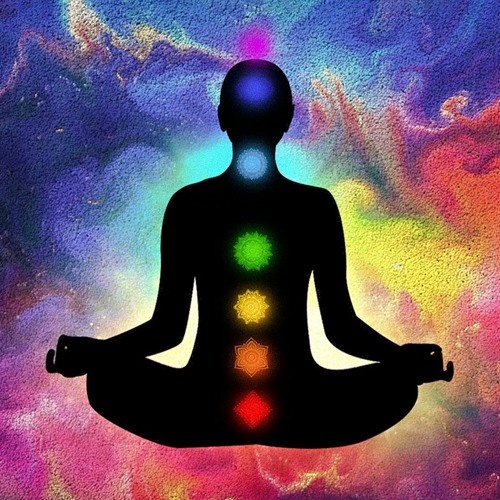
Chakra healing operates on the principle that the human body contains an energy system of seven primary chakras positioned along the spine, from the base to the crown of the head. Each chakra is associated with specific physical organs, emotional states, and aspects of consciousness.
According to chakra theory, when energy flows freely through these centres, an individual experiences optimal health and emotional balance. However, stress, trauma, negative thought patterns, and lifestyle factors can create blockages or imbalances in one or more chakras. These disruptions may manifest as physical symptoms, emotional difficulties, or a sense of disconnection from oneself.
Chakra healing practitioners work to identify which energy centres are blocked, underactive, or overactive, then apply various techniques to restore balance. This might involve focused meditation on specific chakras, using crystals that resonate with particular energy frequencies, chanting mantras, practising breathwork, or receiving hands-on energy healing such as Reiki.
The Science Behind Chakra Healing
While no scientific evidence conclusively proves the existence of chakras as spiritual energy centres, researchers have explored possible correlations with physical anatomy. A 2022 narrative review published in the International Journal of Healing and Caring found preliminary evidence that chakra locations may emit electromagnetic radiation and correspond to major nerve plexuses in the body.
Each of the seven chakras aligns approximately with significant anatomical structures:
- The root chakra corresponds to the sacral plexus
- The heart chakra aligns with the cardiac plexus
- The third eye chakra has been associated with the pineal gland
Research into complementary practices commonly used in chakra healing shows more robust evidence. A 2018 systematic review found that mindfulness exercises, often incorporated into chakra meditation, were effective at reducing symptoms of anxiety and depression. Similarly, yoga practices associated with chakra work have demonstrated benefits for stress reduction and emotional regulation.
The therapeutic value of chakra healing may also stem from its meditative and self-reflective components. By focusing attention on different areas of the body and associated emotional states, practitioners engage in a form of body-based mindfulness that can promote relaxation, self-awareness, and emotional processing.
Key Benefits of Chakra Healing
Chakra healing offers a range of potential benefits for those seeking holistic approaches to wellbeing. While individual experiences vary, practitioners and clients commonly report the following outcomes:
- Reduced Stress and Anxiety – Chakra balancing techniques such as meditation and breathwork activate the parasympathetic nervous system, helping to lower cortisol levels and promote deep relaxation. Regular practice may help manage everyday stress and reduce symptoms of anxiety disorders.
- Enhanced Emotional Wellbeing – By focusing on energy centres associated with specific emotional states, chakra healing can help individuals process difficult emotions, release emotional blockages, and develop greater emotional resilience and self-awareness.
- Improved Physical Vitality – Many practitioners report increased energy levels, better sleep quality, and a general sense of physical wellness following chakra healing sessions. The relaxation response may support the body’s natural healing processes.
- Greater Mental Clarity – Balancing the upper chakras (throat, third eye, and crown) is associated with improved concentration, clearer thinking, enhanced creativity, and stronger intuition.
- Deeper Spiritual Connection – For those on a spiritual path, chakra healing can facilitate a stronger sense of connection to oneself, others, and a greater sense of purpose or meaning in life.
Who is Chakra Healing Best For?
Chakra healing appeals to a wide range of individuals seeking holistic approaches to personal development and wellness. The practice is particularly well-suited to those who appreciate mind-body-spirit integration and are open to exploring complementary therapies alongside conventional healthcare.
Chakra healing may help if you:
- Experience chronic stress, anxiety, or emotional overwhelm
- Feel disconnected from your body, emotions, or sense of purpose
- Seek complementary support alongside therapy or counselling
- Want to develop a regular self-care or meditation practice
- Are interested in personal growth and spiritual development
- Struggle with specific issues such as low confidence, communication difficulties, or creative blocks
- Have completed traditional medical investigations but continue to experience unexplained symptoms
Chakra healing is generally considered safe for most adults. However, it should not replace medical treatment for diagnosed conditions. Those with serious mental health conditions should consult their healthcare provider before beginning any new complementary practice.
How to Get Started with Chakra Healing
Step 1: Learn About the Seven Chakras
Begin by familiarising yourself with the seven primary chakras, their locations, colours, and associated physical and emotional aspects. Understanding this foundational knowledge helps you identify which energy centres may need attention. Many free resources, books, and online courses provide comprehensive introductions to the chakra system.
Step 2: Try Self-Assessment
Take time to reflect on your physical, emotional, and mental state. Notice any recurring patterns, such as difficulty expressing yourself (throat chakra), persistent insecurity (root chakra), or struggles with self-worth (solar plexus chakra). Various chakra assessment quizzes can help identify potential imbalances, though these should be used as guides rather than diagnoses.
Step 3: Begin a Simple Practice
Start with accessible techniques such as guided chakra meditation, which is widely available through apps like Calm, Insight Timer, and YouTube. Even 10-15 minutes daily can begin to shift your awareness and relationship with your energy system. Visualisation exercises focusing on the colour and location of each chakra are excellent entry points.
Step 4: Consider Working with a Practitioner
For deeper exploration or to address specific issues, consider booking a session with a qualified chakra healing practitioner. Professionals can offer personalised assessment, hands-on energy work, and tailored recommendations. Look for practitioners with recognised training and accreditation from bodies such as the International Practitioners of Holistic Medicine (IPHM) or the Complementary Medical Association (CMA).
The Seven Chakras Explained
| Chakra | Location | Colour | Element | Governs | Signs of Imbalance |
|---|---|---|---|---|---|
| Root (Muladhara) | Base of spine | Red | Earth | Security, stability, survival | Anxiety, fear, financial worries, disconnection |
| Sacral (Svadhisthana) | Lower abdomen | Orange | Water | Creativity, sexuality, emotions | Creative blocks, emotional instability, guilt |
| Solar Plexus (Manipura) | Upper abdomen | Yellow | Fire | Personal power, confidence, will | Low self-esteem, indecision, control issues |
| Heart (Anahata) | Centre of chest | Green | Air | Love, compassion, connection | Difficulty with relationships, grief, isolation |
| Throat (Vishuddha) | Throat | Blue | Ether | Communication, expression, truth | Fear of speaking, poor listening, dishonesty |
| Third Eye (Ajna) | Between eyebrows | Indigo | Light | Intuition, insight, imagination | Lack of clarity, poor memory, disconnection from intuition |
| Crown (Sahasrara) | Top of head | Violet/White | Thought | Spirituality, consciousness, purpose | Depression, confusion, lack of direction |
Chakra Healing Techniques
Meditation and Visualisation
Chakra meditation involves focusing attention on each energy centre, often visualising the associated colour growing brighter and the chakra spinning smoothly. Practitioners may work through all seven chakras sequentially (from root to crown) or focus on specific chakras that need balancing. Regular meditation practice is considered foundational to chakra work.
Crystal Healing
Each chakra resonates with specific crystals based on colour and energetic properties:
- Root Chakra: Red Jasper, Black Tourmaline, Hematite
- Sacral Chakra: Carnelian, Orange Calcite, Tiger’s Eye
- Solar Plexus Chakra: Citrine, Yellow Jasper, Amber
- Heart Chakra: Rose Quartz, Green Aventurine, Jade
- Throat Chakra: Aquamarine, Lapis Lazuli, Blue Lace Agate
- Third Eye Chakra: Amethyst, Sodalite, Labradorite
- Crown Chakra: Clear Quartz, Selenite, Amethyst
Crystals may be placed on the body during meditation, worn as jewellery, or positioned in living spaces.
Sound Therapy
Sound healing for chakras uses specific frequencies and mantras to restore balance. Each chakra has a corresponding seed mantra (bija mantra):
- Root: LAM
- Sacral: VAM
- Solar Plexus: RAM
- Heart: YAM
- Throat: HAM
- Third Eye: OM
- Crown: Silence or AUM
Tibetan singing bowls, crystal bowls, and tuning forks tuned to specific frequencies are commonly used in chakra sound healing sessions.
Breathwork
Pranayama (yogic breathing) techniques support chakra balance by directing life force energy through the body. Specific practices include alternate nostril breathing (Nadi Shodhana) for overall balance and kapalabhati for energising the solar plexus chakra.
Yoga
Many yoga poses (asanas) target specific chakras. For example, standing poses strengthen the root chakra, hip openers release the sacral chakra, and heart-opening backbends expand the heart chakra. Kundalini yoga is particularly focused on chakra activation.
Reiki and Energy Healing
Practitioners of Reiki and other energy healing modalities often incorporate chakra balancing into their sessions, channelling healing energy through the chakra points to clear blockages and restore flow.
Chakra Healing vs Other Techniques
| Aspect | Chakra Healing | Reiki | Mindfulness Meditation | CBT |
|---|---|---|---|---|
| Best For | Holistic balance, energy work | Deep relaxation, healing support | Present-moment awareness, stress | Anxiety, depression, changing thoughts |
| Session Length | 45-90 minutes | 60-90 minutes | 10-45 minutes | 50-60 minutes |
| Time to Results | Gradual, ongoing | Often immediate relaxation | 8+ weeks for measurable change | 12-20 sessions |
| Cost Range (UK) | £40-£100 | £40-£80 | Free-£60 | £50-£150 (private) |
| Practitioner Required | Optional (self-practice possible) | Yes (for Reiki) | No | Yes (therapist) |
| Scientific Evidence | Emerging/Limited | Limited | Strong | Strong |
Common Myths About Chakra Healing
Myth 1: Chakras are purely New Age inventions
Reality: The chakra system originates from ancient Indian spiritual traditions documented in texts dating back to 1500-500 BCE. While modern Western interpretations have added elements like rainbow colours (introduced in the 1970s), the core concept has thousands of years of historical foundation in Hindu and Buddhist philosophy.
Myth 2: You need to “open” your chakras
Reality: The goal is not to force chakras open but to achieve balance. Chakras can be underactive or overactive, and the aim is harmonious energy flow. Over-focusing on “opening” chakras without understanding balance can potentially create new imbalances.
Myth 3: Chakra healing can replace medical treatment
Reality: Chakra healing is a complementary practice that may support overall wellbeing but should never replace professional medical care for physical or mental health conditions. Responsible practitioners always recommend consulting healthcare providers for diagnosable conditions.
Myth 4: You can feel chakras physically if you’re “spiritual enough”
Reality: Experiences vary widely among practitioners. Some people report physical sensations during chakra work, while others experience emotional shifts or simply feel relaxed. There is no correct way to experience chakra healing, and lack of physical sensation does not indicate failure.
What to Expect in Your First Session
A typical first chakra healing session lasts 60-90 minutes and begins with a consultation where the practitioner discusses your goals, health history, and any specific concerns. This conversation helps the practitioner identify which chakras may need attention.
During the session itself, you will usually lie fully clothed on a massage table or sit comfortably. The practitioner may use various techniques depending on their training and your needs:
- Assessment: Some practitioners use pendulum dowsing, intuitive sensing, or guided questioning to evaluate each chakra
- Hands-on healing: Light touch or hands held slightly above the body at each chakra point
- Guided meditation: Verbal guidance through visualisation exercises
- Sound: Singing bowls, tuning forks, or chanting
- Crystals: Placement of appropriate stones on or around the body
Most sessions end with a period of integration where you rest quietly, followed by a discussion of the practitioner’s findings and recommendations for self-care between sessions.
You may feel deeply relaxed during and after the session. Some people experience emotional release, while others notice subtle shifts over the following days. It’s advisable to drink plenty of water, rest if needed, and avoid alcohol for 24 hours after a session.
Frequently Asked Questions
Is chakra healing scientifically proven?
While no scientific studies have proven the existence of chakras as spiritual energy centres, research supports many practices used in chakra healing. Meditation, breathwork, and yoga—all commonly incorporated into chakra work—have demonstrated benefits for stress reduction, anxiety management, and emotional wellbeing. Emerging research has found preliminary evidence that chakra locations may correspond to measurable electromagnetic activity.
How long does chakra healing take to work?
Results vary depending on individual circumstances and the depth of imbalance being addressed. Many people notice immediate relaxation after their first session, while more significant shifts in energy and wellbeing typically develop over several weeks or months of regular practice. Consistency is more important than session length—even 10-15 minutes of daily chakra meditation can produce noticeable benefits over time.
Can I practice chakra healing at home?
Yes, many chakra healing techniques are suitable for self-practice. Guided meditations, crystal work, affirmations, and visualisation exercises can all be done independently. Beginners often benefit from starting with apps or online guided meditations before developing their own practice. However, for addressing specific issues or deeper imbalances, professional sessions provide personalised guidance and more intensive energy work.
How much does chakra healing cost in the UK?
Private chakra healing sessions in the UK typically range from £40-£100 per session, depending on the practitioner’s experience, location, and session length. London practitioners often charge at the higher end. Many practitioners offer package deals (e.g., 4-6 sessions) at reduced per-session rates. Distance healing sessions via video call are sometimes available at lower prices (£30-£60). Self-practice using free resources costs nothing beyond optional purchases like crystals or singing bowls.
Is chakra healing suitable for anxiety and depression?
Chakra healing may help manage symptoms of anxiety and stress as part of a holistic wellness approach. The meditative and relaxation aspects can activate the parasympathetic nervous system, reducing cortisol and promoting calm. However, chakra healing should complement, not replace, evidence-based treatments for clinical anxiety or depression. Always consult a healthcare professional if you’re experiencing significant mental health difficulties.
What qualifications should a chakra healing practitioner have?
Look for practitioners with training accredited by recognised bodies such as the International Practitioners of Holistic Medicine (IPHM), Complementary Medical Association (CMA), or Federation of Holistic Therapists (FHT). Many chakra healers also hold certifications in related modalities like Reiki, crystal healing, or holistic therapy. Professional practitioners should carry insurance, provide clear information about their training, and be willing to discuss their approach before booking.
Can chakra healing be combined with other therapies?
Chakra healing combines well with many complementary practices and can support conventional medical or psychological treatment. It pairs naturally with yoga, Reiki, crystal healing, aromatherapy, and sound therapy. Some counsellors and psychotherapists incorporate chakra awareness into their work. Always inform all your practitioners about other treatments you’re receiving to ensure coordinated care.
Are there any risks or side effects?
Chakra healing is generally considered safe for most people. Some individuals experience temporary emotional release during or after sessions, which may include tearfulness, tiredness, or vivid dreams. These responses are typically viewed as part of the healing process and usually pass within a day or two. Those with serious mental health conditions, a history of psychosis, or epilepsy should consult their healthcare provider before beginning chakra work. Pregnant women should inform practitioners, as some techniques may need modification.
Summary
Chakra healing is an ancient holistic practice that works with the body’s seven primary energy centres to promote physical, emotional, and spiritual wellbeing. By using techniques such as meditation, crystal healing, sound therapy, and breathwork, practitioners seek to identify and clear energetic blockages, restoring balance and harmony to the entire system. While scientific evidence for chakras themselves remains limited, many component practices offer well-researched benefits for stress reduction and emotional health. Whether practised independently or with a qualified practitioner, chakra healing offers a comprehensive framework for self-care and personal development that complements conventional approaches to wellness.