
Introduction: Why Astral Exploration Is Captivating Millions
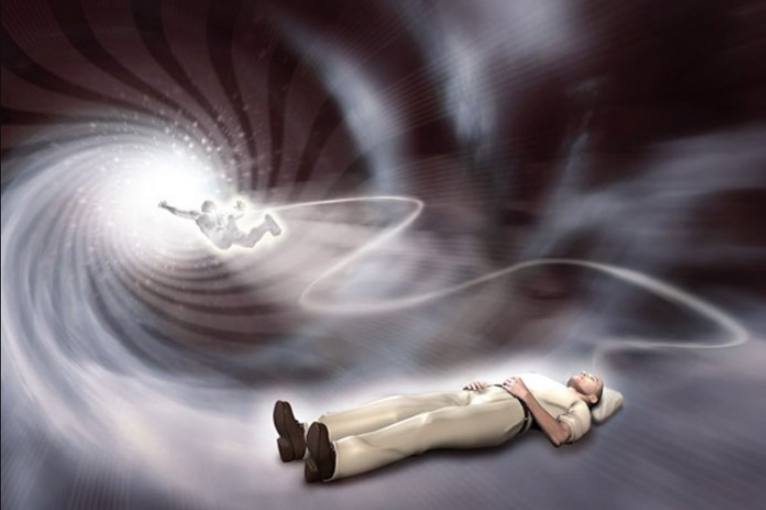
Surveys suggest that between 8 and 20 per cent of people report having experienced something resembling an out-of-body experience at least once in their lifetime. Whether triggered by deep meditation, the threshold between sleep and wakefulness, or a spontaneous moment of altered consciousness, the sensation of awareness separating from the physical body has fascinated human beings for millennia. Astral exploration—also known as astral projection, astral travel, or intentional out-of-body experience (OBE)—is the practice of deliberately inducing this state to explore dimensions of consciousness beyond ordinary waking reality.
| Definition — Astral Exploration
Astral exploration is the intentional practice of guiding one’s awareness or “astral body” outside the physical body to travel through, observe, and interact with non-physical planes of existence. It is typically induced through deep relaxation, meditation, or specific visualisation techniques, and is reported across virtually every spiritual and cultural tradition in recorded history. |
This guide is designed to be the most comprehensive, evidence-informed, and practically useful resource on astral exploration available anywhere online. At Self Help Supermarket, we catalogue and review hundreds of self-help techniques, experts, and resources to help people find what works for them. We have researched the historical roots, the neuroscience, the leading practitioners, the most effective techniques, the safety considerations, and the personal-growth applications of astral exploration so that you can approach this practice with clarity, confidence, and informed curiosity.
Whether you are a complete beginner who has never heard of astral projection, an experienced meditator looking to deepen your practice, or simply someone who wants to understand what the science says, this article will equip you with everything you need to know.
What Is Astral Exploration?
Astral exploration is a form of intentional out-of-body experience in which a person’s conscious awareness appears to separate from their physical body and operate independently. Practitioners describe perceiving themselves from an external vantage point, often floating above their physical form, and then travelling through environments that range from accurate representations of the physical world to entirely non-physical realms.
The “astral body” is the term most commonly used in esoteric and metaphysical traditions to describe the subtle energy form or consciousness vehicle that operates during these experiences. Different traditions give it different names: the ancient Egyptians called it the “ka,” Hindu philosophy refers to the “sukshma sharira” (subtle body), and Theosophists of the 19th century popularised the specific term “astral body” and “astral projection.”
It is important to distinguish astral exploration from several related but distinct phenomena:
| Phenomenon | How It Differs from Astral Exploration | Overlap |
| Lucid Dreaming | Occurs within the dream state; the dreamer becomes aware they are dreaming and can influence the dream narrative. The environment is generated internally by the dreaming mind. | Both involve heightened self-awareness in an altered state. Some practitioners use lucid dreaming as a springboard into astral exploration. |
| Remote Viewing | A controlled perceptual skill in which a person describes or sketches details of a distant target using only their mind. Remote viewing does not involve the sensation of leaving the body. | Both involve perceiving information beyond ordinary sensory range. The CIA’s Stargate Project researched both. |
| Near-Death Experience (NDE) | Involuntary and typically occurs during medical emergencies, cardiac arrest, or trauma. The person has no control over the experience. | NDEs share phenomenological features with OBEs: floating above the body, tunnel of light, encounters with deceased individuals. |
| Meditation & Visualisation | Standard meditation seeks present-moment awareness or focused concentration. Visualisation creates mental imagery deliberately. | Deep meditation is the most common pathway into astral exploration. The relaxation and focus skills are identical. |
| Dissociation | A psychological response to stress or trauma in which a person feels detached from their body or surroundings. It is involuntary and often distressing. | Both involve a sense of separation from the physical body. However, astral exploration is intentional and typically reported as positive, whereas clinical dissociation is involuntary and often negative. |
Understanding these distinctions matters because it helps you approach astral exploration with realistic expectations and a clear framework for interpreting your experiences.
A Brief History of Astral Exploration Across Cultures
Astral exploration is not a modern New Age invention. It is one of the oldest and most widespread human experiences, documented across continents and centuries. Understanding its deep roots can help contextualise the practice and appreciate that it transcends any single belief system.
Ancient Egypt
Ancient Egyptian spiritual philosophy held a sophisticated understanding of the multi-layered soul. The “ka” represented a person’s vital essence or spiritual double, which could separate from the physical body during life and continue to exist after death. Pharaonic texts, including those inscribed on pyramid walls, contain instructions and references to the soul’s journeys beyond the body. The Book of the Dead includes passages describing the soul navigating non-physical realms, encountering deities, and eventually returning or ascending.
Hinduism and Yoga
Hindu philosophy describes multiple sheaths (koshas) that surround the true self (Atman). The subtle body (sukshma sharira) is the vehicle through which consciousness can travel beyond the physical form. Yogic texts such as the Yoga Sutras of Patanjali reference siddhis—supernatural abilities that arise through advanced meditation—including the ability to project consciousness outside the body. The practice of yoga nidra (yogic sleep) creates a state of consciousness between waking and sleeping that many practitioners report as a gateway to out-of-body experiences.
Tibetan Buddhism
The Tibetan Buddhist tradition contains some of the most detailed and systematic teachings on consciousness exploration. The practice of dream yoga trains practitioners to maintain awareness during sleep, while phowa (transference of consciousness) is a specific technique for projecting awareness out of the body. The Bardo Thodol (Tibetan Book of the Dead) describes in detail the states of consciousness experienced between death and rebirth, many of which parallel the phenomenology reported by astral travellers.
Indigenous and Shamanic Traditions
Shamanic cultures across the globe describe “soul flight” as a core practice. Among the Waiwai people of South America, the yaskomo (shaman) is believed to fly to the sky to consult cosmological beings or dive deep into rivers to seek the aid of spiritual entities. Aboriginal Australian traditions describe the “Dreamtime” as an alternate plane of reality accessible through altered states of consciousness. In Siberian shamanic practice, the shaman’s drum is used to induce a trance state in which the practitioner’s spirit leaves the body to retrieve healing information, negotiate with spirits, or guide the souls of the deceased.
Western Esoteric Tradition
In the Western world, astral exploration became formalised through the Hermetic and Theosophical traditions of the 19th century. Helena Blavatsky, co-founder of the Theosophical Society, wrote extensively about the astral plane and the astral body as components of a sevenfold model of human constitution. The Hermetic Order of the Golden Dawn developed specific rituals for what they called “scrying in the spirit vision”—a form of astral exploration using visualisation and ceremonial techniques. The British occultist Aleister Crowley developed the concept of the “body of light,” constructed through visualisation and controlled breathing, as the vehicle for astral travel.
The Modern Era: Robert Monroe and the Scientific Turn
The modern era of astral exploration is largely shaped by Robert Allan Monroe (1915–1995), an American radio broadcasting executive whose spontaneous out-of-body experiences beginning in 1958 led him on a decades-long journey of exploration and research. Monroe’s 1971 book, Journeys Out of the Body, is widely credited with popularising the term “out-of-body experience” and bringing the concept to mainstream Western audiences. The book has sold approximately one million copies worldwide.
Monroe went on to found The Monroe Institute in Virginia, a non-profit research and education organisation dedicated to the exploration of human consciousness. The Institute developed Hemi-Sync (hemispheric synchronisation), an audio technology using binaural beats to help synchronise brain hemispheres and facilitate altered states of consciousness. More than 20,000 people are estimated to have attended the Institute’s residential Gateway programme during its first three decades.
Monroe authored two further books—Far Journeys (1985) and Ultimate Journey (1994)—describing increasingly profound non-physical explorations and his development of a systematic framework for navigating altered states, including his “Focus Levels” system that maps different states of consciousness from relaxed awareness (Focus 10) to expanded non-physical realms (Focus 21 and beyond).
The CIA Gateway Report: When Government Met Astral Exploration
One of the most fascinating chapters in the history of astral exploration involves the United States government. In 1983, the CIA produced a document titled “Analysis and Assessment of the Gateway Process,” a 28-page report examining The Monroe Institute’s Gateway programme and its potential applications for intelligence gathering and expanded human performance.
The report, authored by U.S. Army Lieutenant Colonel Wayne M. McDonnell, analysed the theoretical framework behind the Gateway Experience, drawing on quantum physics, neuroscience, and information theory to explain how altered states of consciousness might enable access to information beyond the physical senses. The document was classified and not fully declassified until 2003, with the famous “missing page 25” not publicly released until later.
The Gateway Report is significant not because it “proves” astral projection, but because it demonstrates that rigorous institutional analysis found the phenomenon worthy of serious investigation. The report sits alongside the broader Stargate Project, a programme that ran from the 1970s through 1995, exploring remote viewing and other consciousness-based intelligence techniques.
| Note: The existence of government research programmes does not constitute scientific proof that astral projection works as described by practitioners. It does indicate that the experiential phenomenon was considered significant enough to warrant formal investigation. |
What Does Science Say About Astral Exploration?
The scientific community remains divided on astral exploration. There is currently no peer-reviewed evidence proving that consciousness can objectively separate from the body and perceive the physical world from an external location. However, there is a growing body of neuroscience research that takes the experiential phenomenon seriously and seeks to understand what is happening in the brain during these states.
The University of Ottawa fMRI Study (2014)
One of the most cited scientific studies on voluntary out-of-body experiences was conducted at the University of Ottawa by researchers Andra M. Smith and Claude Messier, published in Frontiers in Human Neuroscience. The study examined a 24-year-old psychology graduate student who reported being able to voluntarily induce out-of-body experiences since childhood. She described the ability as something she discovered during preschool nap times and assumed was universal.
Under fMRI scanning, the participant demonstrated specific and measurable neural activation patterns during her self-induced OBEs. The researchers found activation in brain regions associated with kinesthetic imagery—the mental simulation of body movement—but with patterns that were distinct from ordinary imagination, daydreaming, or visual imagery. This suggests that voluntary OBEs represent a unique form of cognitive experience with identifiable neurological correlates, rather than simple imagination or fantasy.
The Temporoparietal Junction
Neuroscientist Olaf Blanke and colleagues at the École Polytechnique Fédérale de Lausanne (EPFL) in Switzerland have conducted extensive research into the neural basis of bodily self-consciousness. Their work has identified the temporoparietal junction (TPJ)—a brain region involved in integrating sensory information about the body’s position in space—as critically involved in out-of-body experiences. When the TPJ is electrically stimulated, patients report sensations of floating, detachment from their bodies, and viewing themselves from an external perspective.
Jane Aspell, a cognitive researcher at Anglia Ruskin University in England, explains that OBEs and astral projection involve a subjective experience of the self being located outside the body, but that this experience is itself generated by the brain. When the brain’s normal processes for constructing a sense of embodied self are disrupted—whether by epilepsy, brain injury, oxygen deprivation, or deliberate meditative practices—the result can be an experience that feels profoundly real but may not involve actual separation of consciousness from the body.
Brain Waves and Altered States
Research into the role of brain waves during out-of-body and near-death experiences has revealed that the brain tends to produce elevated gamma wave activity—the frequency associated with heightened awareness, memory consolidation, and vivid perceptual experiences—during these states. Theta wave activity (4–8 Hz), associated with deep relaxation, the hypnagogic state between waking and sleeping, and meditative trance, is also consistently observed during conditions conducive to OBEs.
The Monroe Institute’s Hemi-Sync technology specifically targets these brain-wave states using binaural beats—audio signals that present slightly different frequencies to each ear, prompting the brain to generate a third frequency equal to the difference. This principle, first observed in experiments from the 1800s, forms the technological foundation for many modern astral exploration aids.
The Sceptical Perspective
Sceptics, including psychologist Donovan Rawcliffe and science writer Arthur W. Wiggins, argue that astral projection can be explained by delusion, hallucination, vivid dreams, and the brain’s capacity for imaginative simulation. Researcher Susan Blackmore, author of Beyond the Body: An Investigation of Out-of-the-Body Experiences, found that people who report OBEs tend to score higher on measures of hypnotisability, absorption (the ability to become deeply immersed in experiences including imagined ones), and imaginative capacity—though they show no elevated levels of psychopathology.
The fundamental challenge, as Blackmore and others note, is that there is no reliable way to scientifically verify whether consciousness actually leaves the body. Testing should theoretically be straightforward—hide objects in unknown locations and ask astral travellers to identify them—but experiments of this type have not produced consistent or replicable positive results.
A Balanced View
| Where the Evidence Stands
Astral exploration produces subjective experiences that are vivid, internally consistent, and deeply meaningful to those who have them. Neuroscience has identified measurable brain activity associated with these states, confirming that “something real is happening” at a neurological level. Whether this constitutes literal consciousness separation or an extraordinary form of internal experience remains an open question. For the purposes of personal growth and self-exploration, the subjective experience itself can be profoundly valuable regardless of its ultimate metaphysical explanation. |
What Are the Potential Benefits of Astral Exploration?
Practitioners and researchers have identified a range of potential benefits associated with astral exploration. It is important to note that these benefits are primarily reported through subjective experience and anecdotal accounts rather than controlled clinical trials. Nonetheless, the consistency of these reports across cultures and centuries suggests that the practice can have meaningful positive effects on wellbeing and personal development.
1. Reduced Fear of Death
One of the most frequently reported benefits is a significant reduction in the fear of death. Experiencing consciousness as apparently separate from the physical body can fundamentally shift a person’s relationship with mortality. Many practitioners report that after their first OBE, they develop an intuitive sense that awareness continues beyond physical existence, which can bring profound peace and acceptance.
2. Expanded Self-Awareness
Astral exploration requires and develops a high degree of introspective awareness. The practice of monitoring your own consciousness, noticing subtle shifts in perception, and maintaining awareness through altered states translates into greater self-knowledge in everyday life. Practitioners often report becoming more attuned to their emotions, thought patterns, and inner states.
3. Enhanced Meditation Skills
Because astral exploration is typically accessed through deep meditation, the practice naturally deepens and strengthens meditative ability. The concentration, relaxation, and present-moment awareness required to achieve an OBE state are the same skills that make meditation more effective, creating a positive feedback loop.
4. Creative Inspiration and Problem-Solving
Many practitioners report accessing creative insights, novel perspectives, and problem-solving breakthroughs during or after astral exploration sessions. The altered state of consciousness appears to enable different modes of thinking—potentially by loosening the brain’s default mode network and enabling more divergent, associative cognition.
5. Greater Sense of Interconnection
Astral exploration often produces a profound sense of connection to something larger than the individual self. Whether interpreted as connection to the universe, to a spiritual dimension, or to the deeper layers of one’s own psyche, this experience can reduce feelings of isolation and enhance a sense of meaning and purpose.
6. Stress Reduction and Emotional Regulation
The deep relaxation required for astral exploration activates the parasympathetic nervous system, reducing cortisol levels and promoting a state of physiological calm. Regular practice can help train the body’s relaxation response, making it easier to manage stress and emotional reactivity in daily life.
7. Spiritual Growth and Personal Transformation
For those who approach the practice within a spiritual framework, astral exploration can accelerate a sense of spiritual development. Encounters with what practitioners describe as spirit guides, light beings, or expanded realms of awareness can catalyse shifts in values, priorities, and life direction.
| Important: These benefits are reported by practitioners and have not been validated through randomised controlled trials. Astral exploration is a personal practice, and experiences vary widely. It is not a substitute for professional mental health treatment. |
10 Astral Exploration Techniques: From Beginner to Advanced
There is no single correct way to explore astral states. Different techniques work for different people depending on their temperament, experience with meditation, and natural inclinations. Below, we present ten of the most widely practised and well-documented techniques, ranging from beginner-friendly methods to advanced practices. Each technique includes step-by-step instructions, tips for success, and an indication of difficulty level.
| Before You Begin: Astral exploration works best when you are physically relaxed, mentally calm, and free from intoxicating substances. Practise in a quiet, comfortable space where you will not be disturbed. Set a clear intention for your session. Never attempt these techniques while driving or operating machinery. |
Technique 1: The Rope Technique (Beginner)
Developed by Robert Bruce, author of Astral Dynamics, the rope technique is one of the most widely recommended methods for beginners. It uses tactile visualisation to create a single point of focused intention that gradually separates the astral body from the physical.
Step 1: Lie down comfortably on your back with your arms at your sides. Close your eyes and perform progressive muscle relaxation, systematically releasing tension from your toes to the crown of your head.
Step 2: Once deeply relaxed, enter a meditative state by focusing on your breath. Allow your mind to become quiet but alert—the state known as the “mind awake, body asleep” condition.
Step 3: Visualise an invisible, sturdy rope hanging from the ceiling directly above your chest. Do not try to see the rope visually—instead, feel it. Imagine the texture, the weight, the resistance.
Step 4: Without moving your physical hands, imagine your astral hands reaching up and grasping the rope. Begin to climb, hand over hand, pulling yourself upward. Focus entirely on the tactile sensation of climbing.
Step 5: As you continue climbing, you may experience vibrations, buzzing, tingling, or a sense of heaviness followed by lightness. These are commonly reported as signs of the astral body beginning to separate. Remain calm and continue climbing.
Step 6: At a certain point, you may feel a distinct shift—a sensation of floating, of being above your body, or of the room around you becoming perceptible from a different vantage point. Congratulations: you are experiencing astral exploration.
Tip: The biggest obstacle with this technique is excitement. When you feel the vibrations or the beginning of separation, it is natural to feel a surge of adrenaline or excitement. This emotional reaction activates the waking mind and typically ends the experience. The key is to remain calm and detached—observe the experience without reacting to it.
Technique 2: The Wake-Back-to-Bed Method (Beginner)
This technique leverages the brain’s natural sleep architecture to access the hypnopompic state—the transitional zone between sleep and wakefulness—which is the state most conducive to out-of-body experiences.
Step 1: Set an alarm for 4–6 hours after falling asleep. This targets a point in your sleep cycle when REM (rapid eye movement) sleep is longest and most vivid.
Step 2: When the alarm wakes you, get up briefly (5–15 minutes). Use the bathroom, drink water, read a few pages about astral exploration, or simply sit quietly with the intention of having an OBE.
Step 3: Return to bed and lie on your back. As you begin to drift back toward sleep, maintain a thread of conscious awareness. This is the critical skill—remaining mentally present while allowing the body to fall asleep.
Step 4: As you enter the hypnagogic/hypnopompic threshold, you may experience vibrations, sounds, visual impressions, or a sense of heaviness. Use a separation technique (rope, roll-out, or simply intend to float upward) to initiate the OBE.
Why it works: Out-of-body experiences are most commonly reported during the transition between sleep and wakefulness. By interrupting your sleep and returning to bed with intention, you dramatically increase the probability of entering this transitional state with conscious awareness intact.
Technique 3: The Roll-Out Method (Beginner)
One of the simplest separation techniques, the roll-out method involves imagining yourself rolling sideways out of your body, as if rolling off the edge of a bed.
Step 1: Achieve deep physical relaxation and the “mind awake, body asleep” state using any relaxation method you prefer.
Step 2: Without moving your physical body, imagine rolling to one side. Focus on the kinesthetic sensation of movement—the shifting of weight, the rotation of your torso, the feeling of separating from the surface beneath you.
Step 3: Continue the imagined roll until you feel a distinct separation or find yourself perceiving the room from a different position.
Tip: Many practitioners find this technique effective because rolling is a natural body movement that the brain simulates easily, making it less mentally demanding than the rope technique.
Technique 4: The Monroe Technique — Focus Levels (Intermediate)
Robert Monroe developed a systematic framework of “Focus Levels” to map different states of consciousness, from ordinary waking awareness to deeply expanded non-physical states. The Monroe Institute’s Gateway programme uses Hemi-Sync audio technology to guide participants through these levels progressively.
Focus 10: “Mind Awake, Body Asleep.” The body is completely relaxed and effectively asleep, while the mind remains alert and aware. This is the foundational state for all further exploration.
Focus 12: “Expanded Awareness.” Awareness expands beyond the physical body and the immediate physical environment. Perception may become non-local.
Focus 15: “No Time.” The perception of linear time dissolves. Practitioners report accessing a state in which past, present, and future are simultaneously accessible.
Focus 21: “The Bridge.” The threshold between physical and non-physical realities. This is where astral exploration in its fullest sense begins.
The Monroe approach is notable for its systematic, step-by-step progression and its use of audio technology to facilitate state changes. The Hemi-Sync process uses binaural beats to help synchronise brain hemispheres, creating an optimal neurological environment for altered states.
Technique 5: The Vibrational State Method (Intermediate)
Many astral exploration traditions identify the “vibrational state” as a key precursor to out-of-body experience. This technique involves deliberately inducing and deepening these vibrations.
Step 1: Achieve deep relaxation. Focus on your breath until your body feels heavy and still.
Step 2: Direct your attention to the space between your eyebrows (the “third eye” point). Concentrate with gentle intensity until you begin to feel a tingling or buzzing sensation.
Step 3: Mentally spread this sensation throughout your body. Imagine the vibrations intensifying and flowing through every part of you. Many practitioners describe this as an electrical or magnetic feeling.
Step 4: Once the vibrational state is strong and stable, use intention to separate. Simply will yourself to float upward, or apply a specific exit technique like the rope or roll-out.
Tip: The vibrational state can feel intense and even alarming the first few times you experience it. The buzzing, tingling, and sense of energy rushing through the body is normal and safe. Fear or resistance will typically cause the vibrations to fade and the experience to end.
Technique 6: Guided Meditation and Audio Programmes (Beginner)
For those who find solo practice challenging, guided meditation recordings specifically designed for astral exploration can provide structure, pacing, and verbal cues that make the process more accessible. These typically walk you through relaxation, deepening, and separation stages with audio guidance.
Popular guided programmes include those offered by The Monroe Institute (using Hemi-Sync technology), binaural beat tracks available on platforms like YouTube and Spotify, and courses created by practitioners such as William Buhlman, Robert Bruce, and Michael Raduga.
Guided programmes are particularly useful for beginners because they handle the pacing and progression, allowing the practitioner to focus entirely on the internal experience rather than trying to remember what to do next.
Technique 7: The Target Technique (Intermediate)
This technique uses a specific destination as a focal point for astral exploration, leveraging the principle that intention and focused thought direct movement in altered states of consciousness.
Step 1: Before beginning your session, choose a specific target location—a room in your home, a place you know well, or even a person you wish to visit.
Step 2: Achieve deep relaxation and enter the mind-awake-body-asleep state.
Step 3: Build a vivid, multi-sensory mental image of your target. See it, feel it, hear the ambient sounds, sense the temperature. Make it as real and detailed as possible.
Step 4: Hold the image with steady focus. As the visualisation deepens, you may feel a pulling sensation, a sense of movement, or a sudden shift in perspective that indicates you have “arrived” at your target location.
This technique is particularly effective for experienced meditators who already have strong visualisation skills.
Technique 8: The Hammock Technique (Beginner)
This gentle, relaxation-based technique is ideal for people who respond well to soothing imagery and may find more intense methods like the rope technique too activating.
Step 1: Lie down comfortably and relax completely.
Step 2: Visualise yourself lying in a hammock woven from threads of soft, luminous light, suspended between two beautiful, calming trees of your choosing.
Step 3: Imagine yourself rocking gently back and forth in the hammock, feeling deeply peaceful and relaxed with each gentle swing.
Step 4: As you reach a deeply relaxed state, imagine yourself gently rolling out of the hammock, landing softly below in a new environment—the beginning of your astral exploration.
Technique 9: The Phasing Method (Advanced)
Developed by Frank Kepple, a prominent figure in the astral exploration community, phasing is based on the concept that there is no actual separation between the physical and non-physical—rather, consciousness “phases” between different focuses of perception, much like tuning a radio dial between stations.
Step 1: Lie down, relax, and close your eyes. Focus on the blackness behind your closed eyelids.
Step 2: Watch the visual field passively. Over time, you may begin to notice patterns, colours, shapes, or faint images forming in the darkness.
Step 3: Allow these impressions to develop without trying to control them. As the imagery becomes more vivid and immersive, you will gradually find yourself “inside” the scene rather than observing it from outside.
Step 4: At a certain point, you will realise that you are fully present in a non-physical environment. There is no dramatic separation event—you have simply phased from physical-focus to non-physical-focus perception.
The phasing method is considered advanced because it requires significant patience, excellent attention management, and the ability to remain passively alert for extended periods without falling asleep.
Technique 10: Yoga Nidra as a Gateway (Beginner to Intermediate)
Yoga nidra, often translated as “yogic sleep,” is a structured relaxation practice that systematically guides awareness through different layers of the body and mind, ultimately reaching a state of consciousness that hovers at the threshold between waking and sleeping.
While yoga nidra is not specifically an astral exploration technique, many practitioners report spontaneous out-of-body experiences during or immediately after yoga nidra sessions. The practice is an excellent preparatory discipline for astral exploration because it trains the exact skills required: maintaining conscious awareness while the body enters a deeply relaxed, sleep-like state.
Yoga nidra classes and recordings are widely available through meditation apps, YouTube, and in-person yoga studios, making this one of the most accessible entry points for those interested in exploring altered states of consciousness.
Technique Comparison at a Glance
| Technique | Difficulty | Best For | Key Skill Required | Typical Time to First Success |
| Rope Technique | Beginner | Kinaesthetic learners | Tactile visualisation | 2–8 weeks |
| Wake-Back-to-Bed | Beginner | Natural sleepers | Sleep-cycle awareness | 1–4 weeks |
| Roll-Out Method | Beginner | Those who want simplicity | Bodily imagination | 2–6 weeks |
| Monroe Focus Levels | Intermediate | Systematic thinkers | Audio responsiveness | 4–12 weeks |
| Vibrational State | Intermediate | Energy-sensitive people | Internal body awareness | 3–8 weeks |
| Guided Meditation | Beginner | Complete beginners | Receptive listening | 1–6 weeks |
| Target Technique | Intermediate | Strong visualisers | Multi-sensory imagery | 4–10 weeks |
| Hammock Technique | Beginner | Relaxation-oriented | Soothing imagery | 2–6 weeks |
| Phasing Method | Advanced | Experienced meditators | Passive attentiveness | 8–24+ weeks |
| Yoga Nidra Gateway | Beginner–Int. | Yoga practitioners | Body-scan awareness | 4–12 weeks |
What Does Astral Exploration Feel Like? Common Experiences Explained
Understanding what to expect can help you recognise when you are successfully entering an astral state and reduce anxiety about unfamiliar sensations. While experiences vary widely between individuals, the following phenomena are consistently reported across cultures and practitioners.
The Vibrational State
A buzzing, tingling, or electrical sensation that can range from subtle to intense. Many describe it as feeling like every cell in the body is vibrating at a higher frequency. This is widely considered the most reliable indicator that an OBE is imminent.
Sleep Paralysis
The inability to move the physical body while remaining mentally aware. This occurs naturally during REM sleep to prevent you from acting out dreams. During the transition to astral exploration, you may become aware of this paralysis before the separation occurs. While it can feel alarming, it is a normal and safe part of the process.
Auditory Phenomena
Hearing unusual sounds—buzzing, humming, whooshing, crackling, distant voices, or what some describe as a “frequency shift”—is extremely common during the onset of an OBE. These sounds often intensify just before separation.
The Floating Sensation
A feeling of weightlessness, of rising upward, or of gently separating from the physical body. This is often the first distinct indicator that the astral body has begun to separate.
Seeing Your Physical Body
One of the most striking aspects of an OBE is the experience of looking back and seeing your own physical body lying below. This is often described as feeling remarkably natural and peaceful rather than alarming.
Thought-Responsive Movement
In the astral state, movement is governed by intention rather than physical effort. Thinking about a location or direction causes instantaneous movement. This can be disorienting at first but becomes intuitive with practice.
Heightened Sensory Perception
Many practitioners report that perception during astral exploration is more vivid than ordinary waking experience—colours appear more saturated, awareness feels expanded, and there is a quality of “hyper-reality” to the experience that distinguishes it from ordinary dreaming.
Encounters with Non-Physical Entities
Some practitioners report meeting what they interpret as spirit guides, deceased loved ones, or other non-physical beings during astral exploration. These encounters are typically described as feeling vivid and emotionally significant. Whether these represent genuine external entities or projections of the subconscious mind is a matter of ongoing debate.
Is Astral Exploration Safe? Addressing Common Fears
Safety concerns are among the most common barriers to trying astral exploration. Here are the most frequently asked questions about safety, addressed honestly and based on both practitioner experience and available evidence.
Can you get “stuck” outside your body?
No. There are no credible reports of anyone becoming permanently separated from their physical body during astral exploration. Practitioners consistently report that returning to the body happens naturally and often involuntarily—strong emotions, sudden noises, or simply thinking about the physical body typically triggers an immediate return.
Can you die during astral projection?
There are no documented cases of anyone dying as a result of attempting or experiencing astral projection. The practice involves deep relaxation and altered states of awareness, not physical risk.
Can negative entities harm you?
Some practitioners report encountering unsettling or frightening imagery during astral exploration. These experiences, while unpleasant, are consistently described as being responsive to the practitioner’s mindset and intentions. Fear tends to attract fearful imagery; calm and positive intention tend to produce positive experiences. Most experienced practitioners recommend maintaining a mindset of confidence and positive intention, and if you encounter anything uncomfortable, simply intending to return to your body ends the experience.
Who should avoid astral exploration?
While astral exploration is generally considered safe for mentally healthy adults, certain individuals should approach with caution or avoid the practice:
- People experiencing active psychosis, severe dissociative disorders, or acute mental health crises should not practise astral exploration, as it involves deliberately altering perception of self and reality.
- People who are currently experiencing high levels of anxiety or panic attacks may find that the unfamiliar sensations associated with the onset of an OBE (vibrations, paralysis, auditory phenomena) exacerbate their anxiety.
- Anyone using substances that alter consciousness should not combine them with astral exploration practices.
| If you are living with a mental health condition or are currently receiving psychiatric treatment, please consult your healthcare provider before beginning any practice that involves deliberately altering your state of consciousness. |
12 Essential Books on Astral Exploration
Whether you are a beginner or an experienced practitioner, these books represent the most comprehensive, well-regarded, and practically useful resources on astral exploration. We have reviewed and categorised them to help you find the right starting point for your level and interests.
| Title & Author | Level | Focus | Why Read It |
| Journeys Out of the Body — Robert Monroe | Beginner | First-person narrative, foundational | The book that started the modern OBE movement. Essential reading for context. |
| Astral Dynamics — Robert Bruce | Intermediate | Technical guide, energy work | The most comprehensive how-to manual. Detailed techniques for practitioners. |
| The Phase — Michael Raduga | Beginner | Scientific approach, practical | Pragmatic, technique-focused guide. Free PDF available from the author. |
| Far Journeys — Robert Monroe | Intermediate | Extended non-physical exploration | Monroe’s second book, describing deeper explorations and encounters. |
| Ultimate Journey — Robert Monroe | Advanced | Philosophical, transformative | Monroe’s final book, exploring the nature of consciousness and the soul. |
| Adventures Beyond the Body — William Buhlman | Beginner | Techniques and experiences | Accessible, practical guide with multiple techniques for inducing OBEs. |
| Navigating the Out-of-Body Experience — Graham Nicholls | Intermediate | Techniques, ethics, applications | Innovative techniques and thoughtful exploration of what OBEs mean. |
| Beyond the Body — Susan Blackmore | All levels | Scientific investigation | Rigorous, sceptical examination of OBEs. Essential for balanced understanding. |
| Astral Projection for Beginners — Edain McCoy | Beginner | Six techniques, spiritual context | Friendly, step-by-step introduction for those new to the practice. |
| Leaving the Body — D. Scott Rogo | Beginner | Historical survey, techniques | Broad overview of OBE methods with historical context. |
| Out of Body Experiences — Anthony Peake | Intermediate | History, neuroscience, theory | Bridges the gap between spiritual and scientific perspectives. |
| Multidimensional Human — Kurt Leland | Advanced | Systematic exploration framework | Detailed mapping of non-physical environments and states. |
How to Start Astral Exploration: A Step-by-Step Beginner’s Guide
If you have read this far and want to try astral exploration for yourself, here is a structured, week-by-week programme for beginners. This approach builds skills gradually, avoiding the frustration that comes from attempting advanced techniques too early.
Week 1–2: Building the Foundation
Focus: Deep relaxation and body awareness. Practise progressive muscle relaxation for 15–20 minutes each day, preferably before bed. Learn to systematically relax every muscle group from toes to scalp. By the end of week two, you should be able to reach a state of complete physical relaxation within 5–10 minutes.
Week 3–4: Developing the Mind-Awake-Body-Asleep State
Focus: Maintaining mental alertness while the body is deeply relaxed. After achieving full body relaxation, practise keeping your mind gently focused on a single point of attention—your breath, a visualised image, or a mantra—while allowing your body to drift toward sleep. The goal is to notice the exact moment when your body enters sleep while your awareness remains present.
Week 5–6: Introducing Separation Techniques
Focus: Attempting your first astral separation. Once you can reliably achieve the mind-awake-body-asleep state, begin using a separation technique. We recommend starting with the rope technique or the roll-out method. Practise for 20–30 minutes per session. Do not be discouraged if nothing happens—you are training a skill, and like any skill, it requires repetition and patience.
Week 7–8: Refining and Exploring
Focus: Deepening your practice and exploring alternatives. If one technique is not producing results, try a different one. Experiment with the wake-back-to-bed method, which many beginners find is the fastest path to success. Begin keeping an astral exploration journal, recording every attempt—what you did, what you felt, and any unusual experiences, however subtle.
Ongoing: Patience, Consistency, and Curiosity
Some people report their first OBE within days; for others, it takes weeks or months. The most important factors are consistency (practising regularly), patience (not forcing or expecting a specific outcome), and curiosity (approaching each session with openness rather than frustration). Even sessions that do not produce a full OBE are building the neural pathways and attentional skills that make future success more likely.
Key Takeaways: What to Remember About Astral Exploration
- Astral exploration is the intentional practice of inducing an out-of-body experience to explore non-physical states of consciousness. It has been practised across virtually every human culture for thousands of years.
- Neuroscience has identified measurable brain activity during voluntary OBEs, including activation of the temporoparietal junction and distinctive patterns of kinesthetic imagery. The experience is neurologically real, even if its metaphysical interpretation remains debated.
- Multiple techniques exist for inducing astral exploration, ranging from beginner-friendly methods (rope technique, roll-out, guided meditation) to advanced practices (phasing, Monroe Focus Levels). Different techniques work for different people.
- Reported benefits include reduced fear of death, enhanced self-awareness, deeper meditation skills, creative inspiration, and greater spiritual connection. These benefits are primarily experiential and anecdotal.
- Astral exploration is widely considered safe for mentally healthy adults. Common fears—getting stuck, dying, or being harmed by entities—are not supported by evidence. Those with active mental health conditions should consult a professional before practising.
- The practice requires patience, consistency, and a non-attached approach. Like any skill, it develops over time with regular practice.
When to Seek Professional Help
Astral exploration is a personal practice that many people find enriching and transformative. However, it is important to recognise the difference between intentional consciousness exploration and involuntary experiences that may indicate an underlying health concern.
If you experience involuntary out-of-body episodes that cause distress, difficulty distinguishing between reality and altered states, persistent depersonalisation or derealisation, or any experience that causes significant fear or disruption to your daily life, please speak with a qualified mental health professional. Self-help techniques and consciousness exploration complement but do not replace professional support.
If you or someone you know is experiencing a mental health crisis:
Samaritans: 116 123 (free, 24/7) | SHOUT: Text 85258 (free, 24/7) | NHS: 111, option 2
Frequently Asked Questions About Astral Exploration
Is astral exploration the same as lucid dreaming?
No. Lucid dreaming occurs within the dream state—you become aware that you are dreaming and can influence the dream. Astral exploration involves the experience of consciousness separating from the body and operating in what practitioners perceive as a non-dream environment. Some people use lucid dreaming as a springboard to transition into astral exploration.
How long does it take to learn astral exploration?
This varies enormously. Some people report success within their first few attempts, while others practise for weeks or months before experiencing a clear OBE. The most important factors are consistency of practice, quality of relaxation, and a patient, non-attached mindset. Most instructors recommend committing to at least 8 weeks of regular practice before evaluating progress.
Can anyone learn to astral project?
Most practitioners and teachers believe that anyone with normal cognitive function can learn to induce an OBE with sufficient practice. However, natural aptitude varies—some people find it relatively easy, while others require more dedicated practice. Previous experience with meditation, visualisation, or body-awareness practices can be an advantage.
Do I need special equipment or tools?
No equipment is strictly necessary. However, many practitioners find binaural beat recordings (such as those produced by The Monroe Institute), guided meditations, sleep masks, and comfortable sleeping surfaces helpful. The most important “tool” is a quiet, undisturbed environment and a committed practice schedule.
Is astral exploration a religious practice?
Astral exploration exists across religious, spiritual, and secular contexts. It is practised by Buddhists, Hindus, Christians, indigenous spiritual practitioners, secular meditation practitioners, and people with no spiritual affiliation. You can approach the practice from any philosophical framework that resonates with you.
Can astral exploration help with anxiety or depression?
Some practitioners report that the deep relaxation, expanded perspective, and reduced fear of death associated with astral exploration have positively influenced their mental health. However, astral exploration is not a treatment for anxiety or depression and should not be used as a substitute for evidence-based therapies such as CBT, counselling, or medication. If you are experiencing anxiety or depression, please speak with a qualified professional.
What is the best time of day to practise?
The two most commonly recommended times are just before falling asleep at night and during the early morning hours (4–6 hours after falling asleep, using the wake-back-to-bed method). The key is that you should be physically tired enough for your body to relax deeply, but mentally alert enough to maintain awareness.
How do I know if I actually had an OBE or just imagined it?
Most practitioners report that genuine OBEs have a quality of vividness, coherence, and “reality” that clearly distinguishes them from ordinary imagination or dreaming. The experience typically has a “you’ll know it when it happens” quality. If you are uncertain, keeping a detailed journal of your experiences over time will help you recognise patterns and distinguish different states of consciousness.
Conclusion: Your Astral Exploration Journey Begins Here
Astral exploration stands at the intersection of ancient wisdom, modern neuroscience, and personal growth. Whether you approach it as a spiritual practice, a consciousness experiment, a meditation technique, or simply a fascinating human experience, it offers a unique opportunity to explore dimensions of awareness that most people never access.
The path to your first out-of-body experience requires patience, practice, and an open mind. Start with the foundational skills—deep relaxation, body awareness, and the ability to maintain alertness at the edge of sleep—and build from there. Choose a technique that resonates with your temperament, commit to consistent practice, and approach each session with curiosity rather than expectation.
At Self Help Supermarket, we believe that the best self-help is informed self-help. We hope this guide has given you the knowledge, tools, and confidence to explore astral exploration safely and meaningfully. For more resources on meditation techniques, consciousness exploration, therapeutic approaches, and personal development, visit www.selfhelpsupermarket.com and explore our curated directory of experts, techniques, and tools.
Your consciousness is the most extraordinary instrument you possess. Astral exploration is one of many ways to discover just how far it can reach.